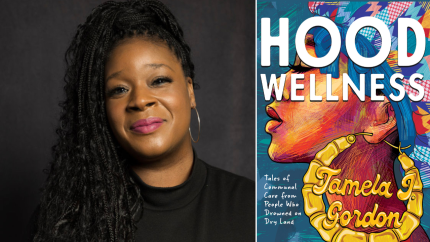
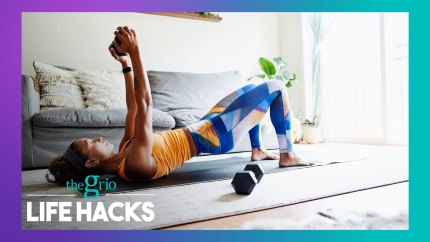
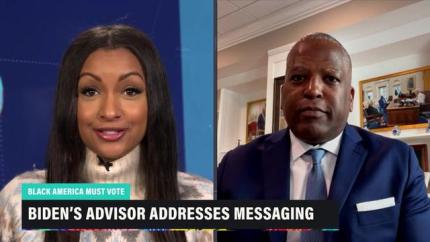
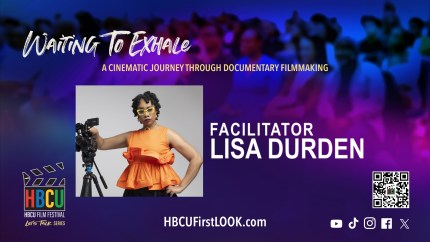
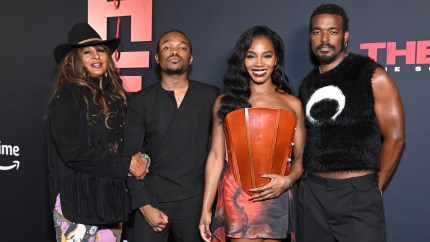
5 reasons to see Alicia Keys’ musical ‘Hell’s Kitchen’ on Broadway Reimagine self-care with Tamela J. Gordon’s book ‘Hood Wellness’ Kim Kardashian joins VP Harris for criminal justice roundtable Film American Black Film Festival features Jussie Smollett drama, Luther Vandross doc Entertainment 5 things to watch this weekend Health Victoria Monét discusses weight gain from PCOS Lifestyle Tiffany Haddish opens up about journey to peace amid a difficult past News FBI says suicide, not racist neighbor, led to Derontae Martin’s death Lifestyle Chrissy Teigen loves Meghan Markle’s strawberry jam as much as other celebs Lifestyle Opal Lee, ‘Grandmother of Juneteenth,’ to receive eighth honorary doctorate VIEW ALL POSTS Video Watch: Blackhall Studios ex-owner allegedly sent racist texts Health Watch: How you can maintain cognitive health | Life Hacks Lifestyle Watch: Designer handbags: carrying and collecting luxury | New Money Entertainment Watch: 5 questions with Kandi Burruss Health Watch: Important physical stretches for people working from home Entertainment Watch: theGrio Top 3 | What are your top 3 Black musical films? Sports Watch: NAIA bans transgender women athletes Politics Watch: Is the Biden administration too humble? Video Watch: A look into the cinematic journey of documentary filmmaking in ‘Waiting to Exhale’ from ‘Let’s Talk!’ VIEW ALL VIDEO POSTS Entertainment Entertainment 5 reasons to see Alicia Keys’ musical ‘Hell’s Kitchen’ on Broadway Film 5 things to watch this weekend Film American Black Film Festival lineup features Jussie Smollett and Vivica A. Fox drama, ‘Luther: Never Too Much’ doc News Watch: Blackhall Studios ex-owner allegedly sent racist texts Video Watch: 5 questions with Kandi Burruss Video Watch: theGrio Top 3 | What are your top 3 Black musical films? Television Luke James, Deborah Ayorinde and more of ‘Them: The Scare’ cast dish on season 2 at LA screening Television Thandiwe Newton joins season 2 cast of the Netflix series ‘Wednesday’ Entertainment Multiple crewmembers injured in accident on set of Eddie Murphy film ‘The Pickup’ Entertainment Jennifer Hudson to receive GLAAD’s ‘Excellence in Media’ honor VIEW ALL ENTERTAINMENT POSTS Lifestyle Books Reimagine self-care with Tamela J. Gordon’s book ‘Hood Wellness’ Health Watch: How you can maintain cognitive health | Life Hacks Lifestyle Tiffany Haddish opens up about journey to peace amid a difficult past Health Victoria Monét candidly discusses weight gain due to PCOS VIEW ALL LIFESTYLE POSTS Opinion Featured 10 years later, people in Flint are still suffering the effects of the water crisis Monique Judge Travel I got Karen’d and I didn’t even realize it — a spring break story Panama Jackson Politics Stephen A. Smith’s non-apology for his comments on ‘Hannity’ about Trump and Black people did not help Touré Sports Feeling some kind of way about Caitlin Clark and WNBA discrepancies? Consider the source. Deron Snyder Music I can’t with the audacity of Chris Brown. Why is he beefing with anyone? Touré Technology The Senate is poised to vote on a bill that could ban TikTok. Here’s what happens next. Monique Judge Entertainment Nas’ ‘Illmatic’ is now 30, and it ain’t hard to tell why it is still a landmark, genre-defining album Panama Jackson Featured The climate crisis presents a lot of problems. Centering equity offers a number of solutions. Rev. Dr. Jon Robinson African Diaspora Empowering Haiti: Charting a course for security and sovereignty Dr. Guerda Nicolas Politics What do Pennsylvania Republicans have against voters? Pennsylvania Speaker of the House Joanna McClinton VIEW ALL POSTS Business Politics The drug war devastated Black and other minority communities. Is marijuana legalization helping? Politics House passes bill to force TikTok sale or ban in the US, extending deadline to 9 months Lifestyle How Mia Ray’s GRL Cannabis Club is a taking luxury to new heights VIEW ALL BUSINESS POSTS Podcasts Acting Up Bass Reeves and How the West Was Won with David Oyelowo TheGrio Daily What’s So Bad About Gentrification? TheGrio Daily Systemic Racism Explained TheGrio Daily Reverse Racism Isn’t Real TheGrio Daily The Connection: Education and the Inequality Pipeline TheGrio Daily Is The South More Racist? The Blackest Questions When Black fashion and sports collide with writer Mitchell Jackson TheGrio Daily theGrio Daily presents: Red Flags Black Communists TheGrio Daily Democracy was always the answer Writing Black The power of “new” with Tabitha Brown VIEW ALL PODCASTS Watch Us STREAM FREEMOVIES, LIFESTYLEAND NEWS CONTENTON OUR NEW APPLearn More