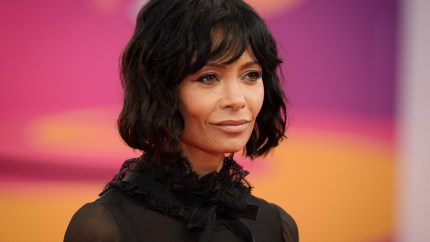
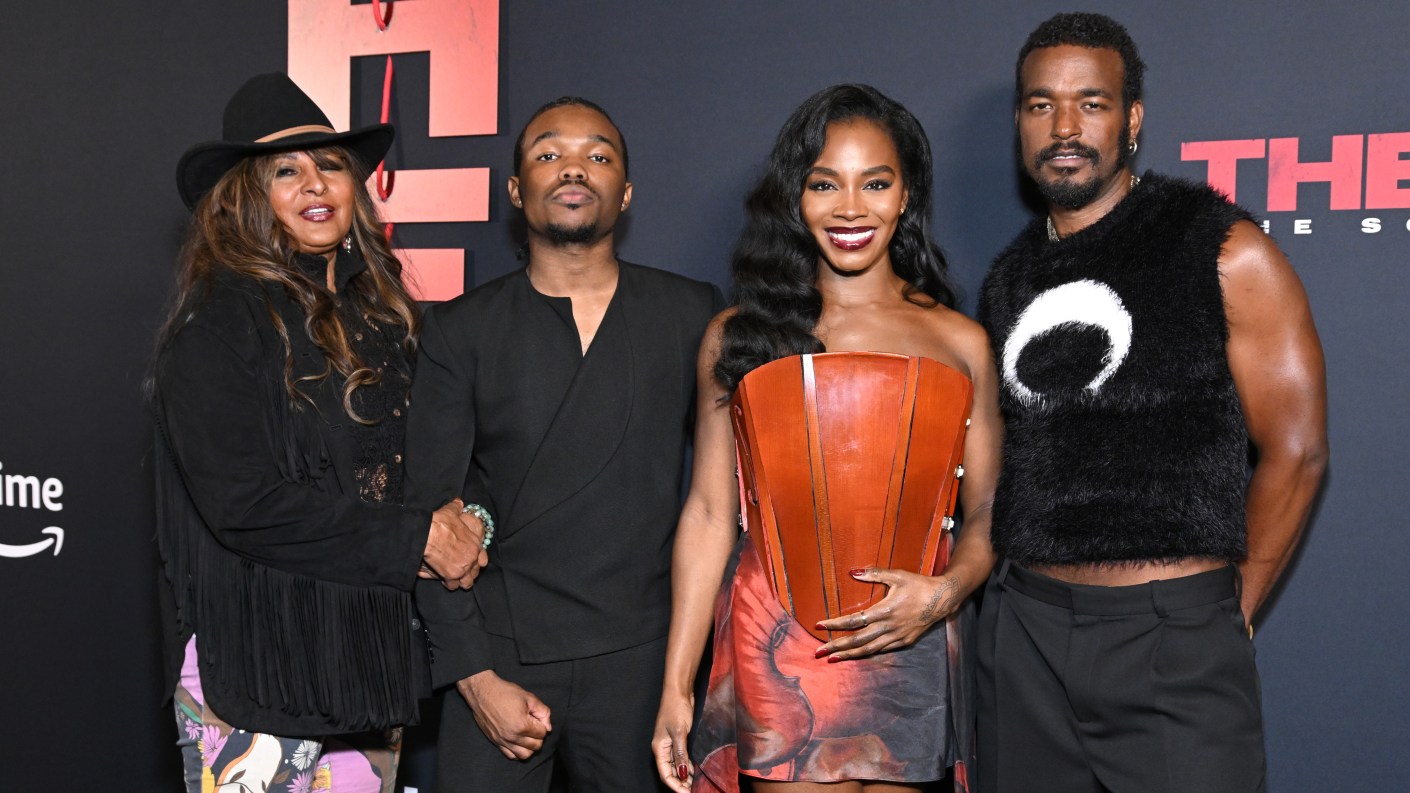
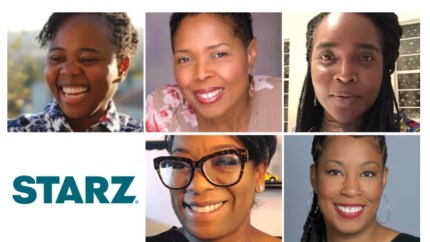
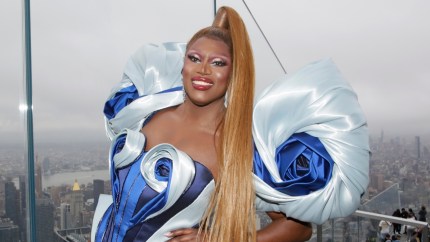
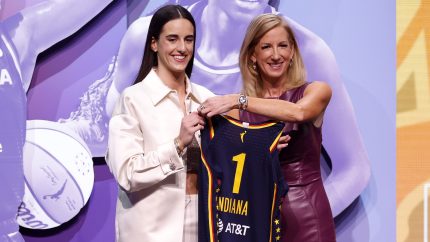
Thandiwe Newton joins season 2 cast of the Netflix series ‘Wednesday’ Isabella Strahan responds to concerned fans and provides update on her cancer treatment and recovery Luke James, Deborah Ayorinde and cast dish on ‘Them: The Scare’ Entertainment Jennifer Hudson to receive GLAAD’s ‘Excellence in Media’ honor Lifestyle Keke Palmer ready for ‘next chapter’ with release of second book Entertainment Multiple crewmembers injured in accident on set of Eddie Murphy film ‘The Pickup’ Lifestyle Here’s the science behind when your weight loss hits a plateau Sports Former USC star Reggie Bush reinstated as 2005 Heisman Trophy winner News Suspect was ‘targeting’ Los Angeles Mayor Karen Bass in home break-in, district attorney says Lifestyle Zendaya is gearing up for her Met Gala return VIEW ALL POSTS Video Watch: 5 questions with Kandi Burruss Health Watch: Important physical stretches for people working from home Entertainment Watch: theGrio Top 3 | What are your top 3 Black musical films? Sports Watch: NAIA bans transgender women athletes Politics Watch: Is the Biden administration too humble? Video Watch: A look into the cinematic journey of documentary filmmaking in ‘Waiting to Exhale’ from ‘Let’s Talk!’ Lifestyle Watch: How is Blounts & Moore breaking the cannabis industry’s stigma? Lifestyle Watch: How Blounts & Moore conquered the biggest hurdle in the cannabis industry Video Watch: theGrio Top 3 | What are the top 3 ways to get over a bad breakup? VIEW ALL VIDEO POSTS Entertainment Video Watch: 5 questions with Kandi Burruss Video Watch: theGrio Top 3 | What are your top 3 Black musical films? Television Luke James, Deborah Ayorinde and more of ‘Them: The Scare’ cast dish on season 2 at LA screening Television Thandiwe Newton joins season 2 cast of the Netflix series ‘Wednesday’ Entertainment Multiple crewmembers injured in accident on set of Eddie Murphy film ‘The Pickup’ Entertainment Jennifer Hudson to receive GLAAD’s ‘Excellence in Media’ honor Music I can’t with the audacity of Chris Brown. Why is he beefing with anyone? Touré Television The Blackhouse Foundation and STARZ select Black female content creators for new producers’ fellowship Television ‘Drag Race’ runner-up Sapphira Cristál on season 16 journey, learning to trust herself Television Yvonne Orji developing Yaa Gyasi novel for television VIEW ALL ENTERTAINMENT POSTS Lifestyle Health Isabella Strahan responds to concerned fans and provides update on her cancer treatment and recovery Lifestyle Keke Palmer ready for ‘next chapter’ with release of second book Lifestyle Here’s the science behind when your weight loss hits a plateau Lifestyle Zendaya is gearing up for her Met Gala return VIEW ALL LIFESTYLE POSTS Opinion Sports Feeling some kind of way about Caitlin Clark and WNBA discrepancies? Consider the source. Deron Snyder Entertainment I can’t with the audacity of Chris Brown. Why is he beefing with anyone? Touré Technology The Senate is poised to vote on a bill that could ban TikTok. Here’s what happens next. Monique Judge Entertainment Nas’ ‘Illmatic’ is now 30, and it ain’t hard to tell why it is still a landmark, genre-defining album Panama Jackson Featured The climate crisis presents a lot of problems. Centering equity offers a number of solutions. Rev. Dr. Jon Robinson African Diaspora Empowering Haiti: Charting a course for security and sovereignty Dr. Guerda Nicolas Politics What do Pennsylvania Republicans have against voters? Pennsylvania Speaker of the House Joanna McClinton Politics The Supreme Court just ruled that rights don’t really matter Michael Harriot Sports WNBA rides the wave and takes center stage as it welcomes star players in 2024 draft Deron Snyder Featured I’m still traumatized by this horrible Black restaurant experience Touré VIEW ALL POSTS Business Politics The drug war devastated Black and other minority communities. Is marijuana legalization helping? Politics House passes bill to force TikTok sale or ban in the US, extending deadline to 9 months Lifestyle How Mia Ray’s GRL Cannabis Club is a taking luxury to new heights VIEW ALL BUSINESS POSTS Podcasts Acting Up Bass Reeves and How the West Was Won with David Oyelowo TheGrio Daily What’s So Bad About Gentrification? TheGrio Daily Systemic Racism Explained TheGrio Daily Reverse Racism Isn’t Real TheGrio Daily The Connection: Education and the Inequality Pipeline TheGrio Daily Is The South More Racist? The Blackest Questions When Black fashion and sports collide with writer Mitchell Jackson TheGrio Daily theGrio Daily presents: Red Flags Black Communists TheGrio Daily Democracy was always the answer Writing Black The power of “new” with Tabitha Brown VIEW ALL PODCASTS Watch Us STREAM FREEMOVIES, LIFESTYLEAND NEWS CONTENTON OUR NEW APPLearn More