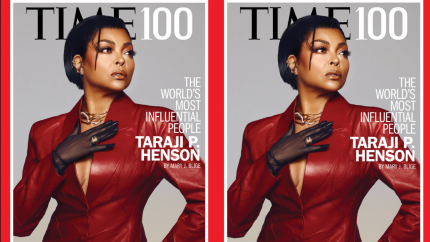
Mary J. Blige lauds Taraji P. Henson’s influence for the TIME 100 The WNBA rookies are ready to elevate the landscape of women’s basketball Black residents who ‘bet on’ Detroit, saw home value jump 80%, study shows Entertainment Gayle King, Charles Barkley CNN series ‘King Charles’ to end Entertainment Tyler Perry signs multi-year deal with BET Health Elaine Welteroth and Serena Williams take on America’s maternal health crisis Entertainment Time selects Taraji P. Henson as host of the 2024 ‘Time100 Special’ airing on ABC Lifestyle Inspired by her widowed mom, Morgan Price makes HBCU, NCAA gymnastics history Lifestyle Planned Parenthood celebrates Megan Thee Stallion’s mental health and social justice efforts News O.J. Simpson’s lawyer deflects query about possible deathbed confession, says client’s health declined within a week VIEW ALL POSTS Video Watch : theGrio Top 3 | Who are your top 3 celebrity families? Video Watch: Importance of sleep hygiene | Life Hacks Video Watch: Howard University students see ‘A Seat From Another View’ in ‘Let’s Talk!’ Women Watch: Physical challenges after giving birth | UNHEARD LGBTQ+ Watch: A Day of Silence Lifestyle Watch: CultureCon comes to HBCU students Entertainment Watch: theGrio Top 3| Who are the Top 3 entertainers with longevity? Health A new mom’s emotional rollercoaster | Unheard Video Watch: How to find the right personal trainer | Life Hacks VIEW ALL VIDEO POSTS Entertainment Television Kim Fields celebrates long-term success of ‘The Upshaws’ as part 5 hits Netflix Film Time selects Taraji P. Henson as host of the 2024 ‘Time100 Special’ airing on ABC Entertainment Tyler Perry signs multi-year deal with BET Television Gayle King, Charles Barkley CNN series ‘King Charles’ to end Video Watch : theGrio Top 3 | Who are your top 3 celebrity families? Music The Notorious B.I.G., Doug E. Fresh, Slick Rick and more join the 2024 National Recording Registry Entertainment SZA to receive Songwriters Hall of Fame Hal David Starlight Award Entertainment In partnership with NAACP, CBS orders daytime soap opera about wealthy Black family Television Tamron Hall’s talk show renewed for season 6 Music Cardi B, Sexyy Red, Queen Latifah to headline concerts heralding the BET Experience VIEW ALL ENTERTAINMENT POSTS Lifestyle Sports The WNBA rookies are ready to elevate the landscape of women’s basketball Women Mary J. Blige lauds Taraji P. Henson’s influence for the TIME 100 Health Elaine Welteroth and Serena Williams take on America’s maternal health crisis Lifestyle Jeezy files for primary custody of his daughter in divorce from Jeannie Mai VIEW ALL LIFESTYLE POSTS Opinion Sports WNBA rides the wave and takes center stage as it welcomes star players in 2024 draft Deron Snyder Featured I’m still traumatized by this horrible Black restaurant experience Touré Featured 3 things we learned from the nationwide drop in homicides Fatimah Loren Dreier, David Muhammad, Aqeela Sherrills and Anthony Smith Entertainment Rick Ross verbally smacked Drake in the face by calling him white boy Touré Entertainment Netflix’s ‘Good Times’ is as offensive as the trailer promised it would be Monique Judge Music Sorry, but Drake is losing his battle with Kendrick Touré Featured The whitewashing of O.J. Simpson Michael Harriot Featured I love how the podcast ‘Mind the Game’ reminds us that LeBron is brilliant Touré Lifestyle I fumbled a dap with another Black man the other day. I haven’t slept right since. Panama Jackson Sports O.J. Simpson epitomized ‘two Americas,’ but he denied reality … until his historic trial Deron Snyder VIEW ALL POSTS Business Lifestyle Will AI-generated fashion models help or hurt diversity in the industry? News Buy groceries at Walmart recently? You may be eligible for a class action settlement payment Video Watch: Staying healthy with a busy schedule VIEW ALL BUSINESS POSTS Podcasts TheGrio Daily Reverse Racism Isn’t Real TheGrio Daily The Connection: Education and the Inequality Pipeline TheGrio Daily Is The South More Racist? The Blackest Questions When Black fashion and sports collide with writer Mitchell Jackson TheGrio Daily theGrio Daily presents: Red Flags Black Communists TheGrio Daily Democracy was always the answer Writing Black The power of “new” with Tabitha Brown TheGrio Daily Defining racism and white supremacy Dear Culture Just how bad is ‘The American Society of Magical Negroes’ movie? TheGrio Daily Gun’s are wypipo’s seasoned salt, Pt. 2 VIEW ALL PODCASTS Watch Us STREAM FREEMOVIES, LIFESTYLEAND NEWS CONTENTON OUR NEW APPLearn More