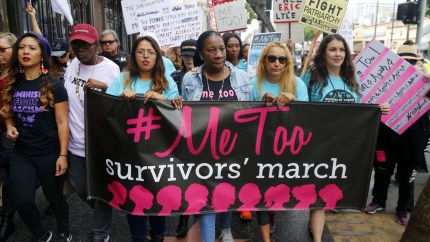
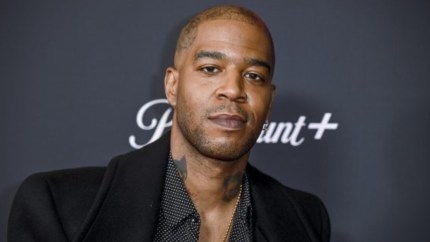
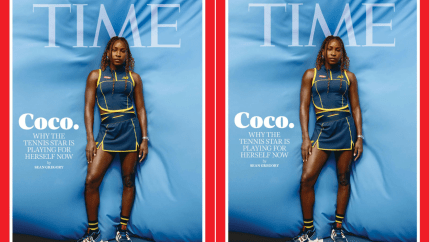
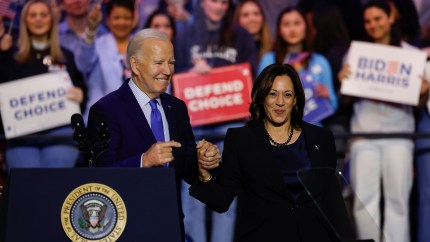
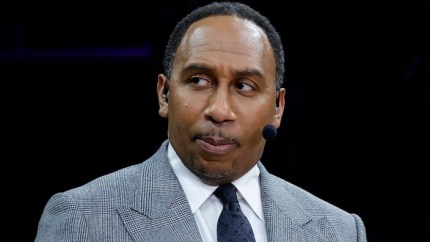
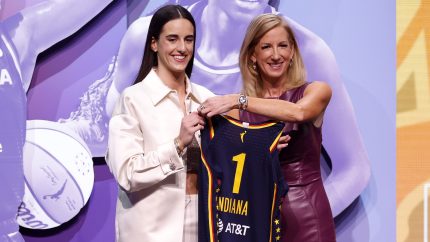
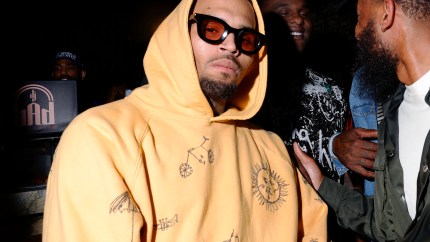
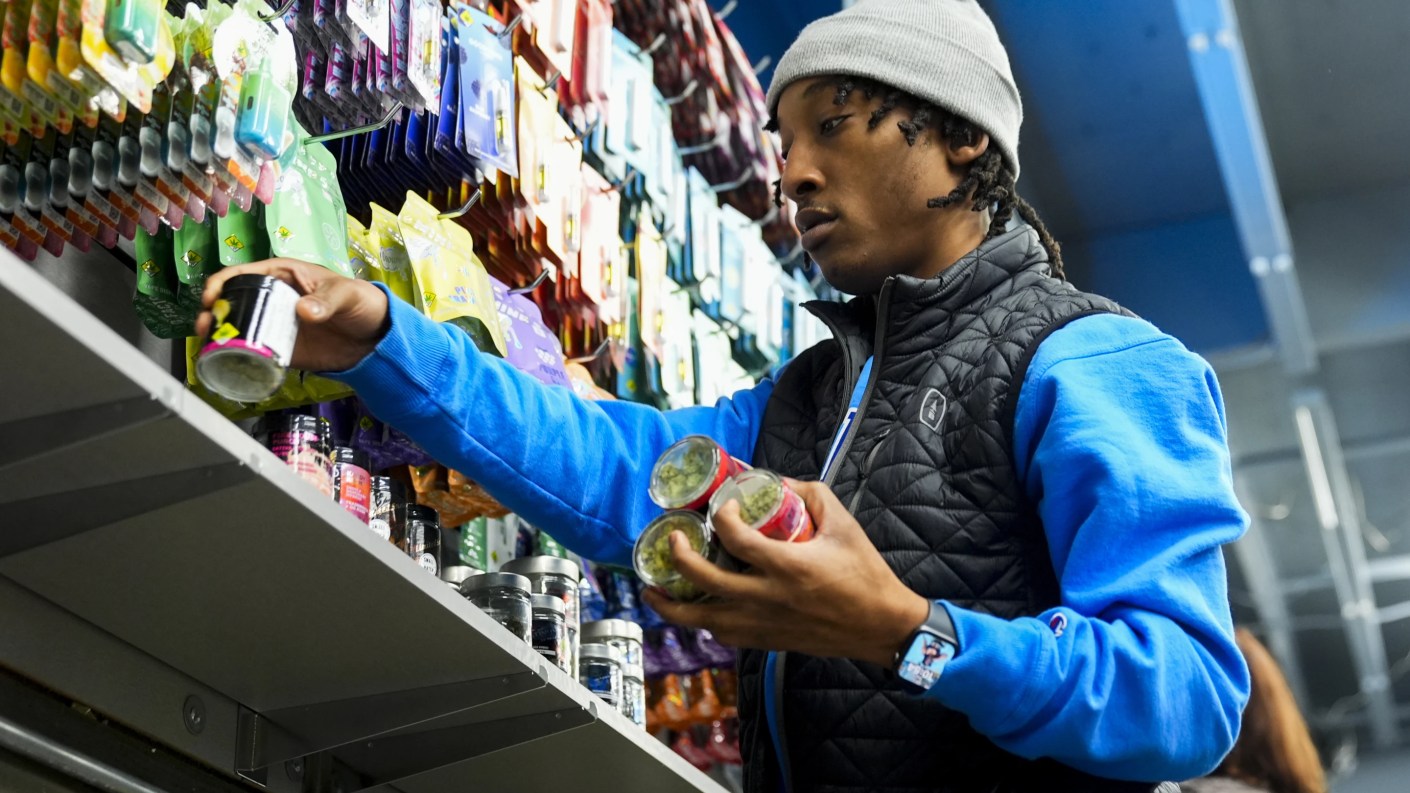
Sean ‘Diddy’ Combs files motion to dismiss some claims in a sexual assault lawsuit Prosecutors want a reversal after a Texas woman’s voter fraud conviction was overturned ‘The movement will persist’: Advocates stress Weinstein reversal doesn’t derail #MeToo reckoning Crime Athletic director used AI to frame principal with racist remarks in fake audio clip, police say African Diaspora New leaders take on Haiti’s chaos as those living in fear demand swift solutions to gang violence African Diaspora South Africa will mark 30 years of freedom amid inequality, poverty and a tense election ahead Politics Rep. Jonathan Jackson blasts President Joe Biden for sending more military aid to Israel Music Drake removes ‘Taylor Made Freestyle’ diss track after Tupac Shakur’s estate threatens lawsuit Women Engaged at 52, Yvette Nicole Brown encourages others ‘to wait for the right one’ Entertainment How the church helped Erica Campbell become a legendary singer Touré Elections Members of the Squad, who face primary challenges because of their stance on Israel, scored their first victory. Here are the other races to watch. David A. Love Lifestyle Jeannie Mai files domestic abuse claims against Jeezy in ongoing divorce Television Watch Andre Holland channel Huey P. Newton in trailer for ‘The Big Cigar’ VIEW ALL POSTS Video Watch: The benefits of a digital detox | Life Hacks Politics Watch: VP Harris is just as popular as Beyoncé, new poll finds | The Hill with April Ryan Entertainment Watch: Blackhall Studios ex-owner allegedly sent racist texts Health Watch: How you can maintain cognitive health | Life Hacks Lifestyle Watch: Designer handbags: carrying and collecting luxury | New Money Entertainment Watch: 5 questions with Kandi Burruss Health Watch: Important physical stretches for people working from home Entertainment Watch: theGrio Top 3 | What are your top 3 Black musical films? Sports Watch: NAIA bans transgender women athletes VIEW ALL VIDEO POSTS Entertainment Women ‘The movement will persist’: Advocates stress Weinstein reversal doesn’t derail #MeToo reckoning Entertainment Sean ‘Diddy’ Combs files motion to dismiss some claims in a sexual assault lawsuit Music Drake removes ‘Taylor Made Freestyle’ diss track after Tupac Shakur’s estate threatens lawsuit Music How the church helped Erica Campbell become a legendary singer Touré Television Watch Andre Holland channel Huey P. Newton in trailer for ‘The Big Cigar’ Music On Rico Wade, the South and Outkast’s ‘Southernplayalisticadillacmuzik’ 30 years later Panama Jackson Video Watch: The benefits of a digital detox | Life Hacks Music Janet Jackson reveals she almost played Storm in ‘X-Men’ Film Quvenzhané Wallis opens up about mother-daughter relationship with Jennifer Hudson in ‘Breathe’ Television Kid Cudi says ‘Knuckles’ role is ‘dream come true’ VIEW ALL ENTERTAINMENT POSTS Lifestyle Women Engaged at 52, Yvette Nicole Brown encourages others ‘to wait for the right one’ Lifestyle Jeannie Mai files domestic abuse claims against Jeezy in ongoing divorce Sports Coming into her own at 20, Coco Gauff is blazing a new path Women 13 Mother’s Day gift ideas for the new moms in your life VIEW ALL LIFESTYLE POSTS Opinion Elections Members of the Squad, who face primary challenges because of their stance on Israel, scored their first victory. Here are the other races to watch. David A. Love Entertainment On Rico Wade, the South and Outkast’s ‘Southernplayalisticadillacmuzik’ 30 years later Panama Jackson Elections Beware of stories spreading misinformation about Black men being fed up with Joe Biden and the Democrats Antjuan Seawright Featured 10 years later, people in Flint are still suffering the effects of the water crisis Monique Judge Travel I got Karen’d and I didn’t even realize it — a spring break story Panama Jackson Politics Stephen A. Smith’s non-apology for his comments on ‘Hannity’ about Trump and Black people did not help Touré Sports Feeling some kind of way about Caitlin Clark and WNBA discrepancies? Consider the source. Deron Snyder Entertainment I can’t with the audacity of Chris Brown. Why is he beefing with anyone? Touré Technology The Senate is poised to vote on a bill that could ban TikTok. Here’s what happens next. Monique Judge Entertainment Nas’ ‘Illmatic’ is now 30, and it ain’t hard to tell why it is still a landmark, genre-defining album Panama Jackson VIEW ALL POSTS Business Politics The drug war devastated Black and other minority communities. Is marijuana legalization helping? Politics House passes bill to force TikTok sale or ban in the US, extending deadline to 9 months Lifestyle How Mia Ray’s GRL Cannabis Club is a taking luxury to new heights VIEW ALL BUSINESS POSTS Podcasts Acting Up Bass Reeves and How the West Was Won with David Oyelowo TheGrio Daily What’s So Bad About Gentrification? TheGrio Daily Systemic Racism Explained TheGrio Daily Reverse Racism Isn’t Real TheGrio Daily The Connection: Education and the Inequality Pipeline TheGrio Daily Is The South More Racist? The Blackest Questions When Black fashion and sports collide with writer Mitchell Jackson TheGrio Daily theGrio Daily presents: Red Flags Black Communists TheGrio Daily Democracy was always the answer Writing Black The power of “new” with Tabitha Brown VIEW ALL PODCASTS Watch Us STREAM FREEMOVIES, LIFESTYLEAND NEWS CONTENTON OUR NEW APPLearn More